Trusted Landscaping Services for Beautiful Outdoor Areas
From Planning to Upkeep: Explore the Different Types of Landscaping Services We Provide
Landscaping solutions include a extensive array of offerings, from initial design concepts to continuous upkeep. Each step is crucial in creating and sustaining an outdoor area that matches personal preferences and environmental considerations. By comprehending the process and options available, property owners can choose wisely that enhance both aesthetics and functionality. What key elements should one consider to guarantee a prosperous outdoor renovation?
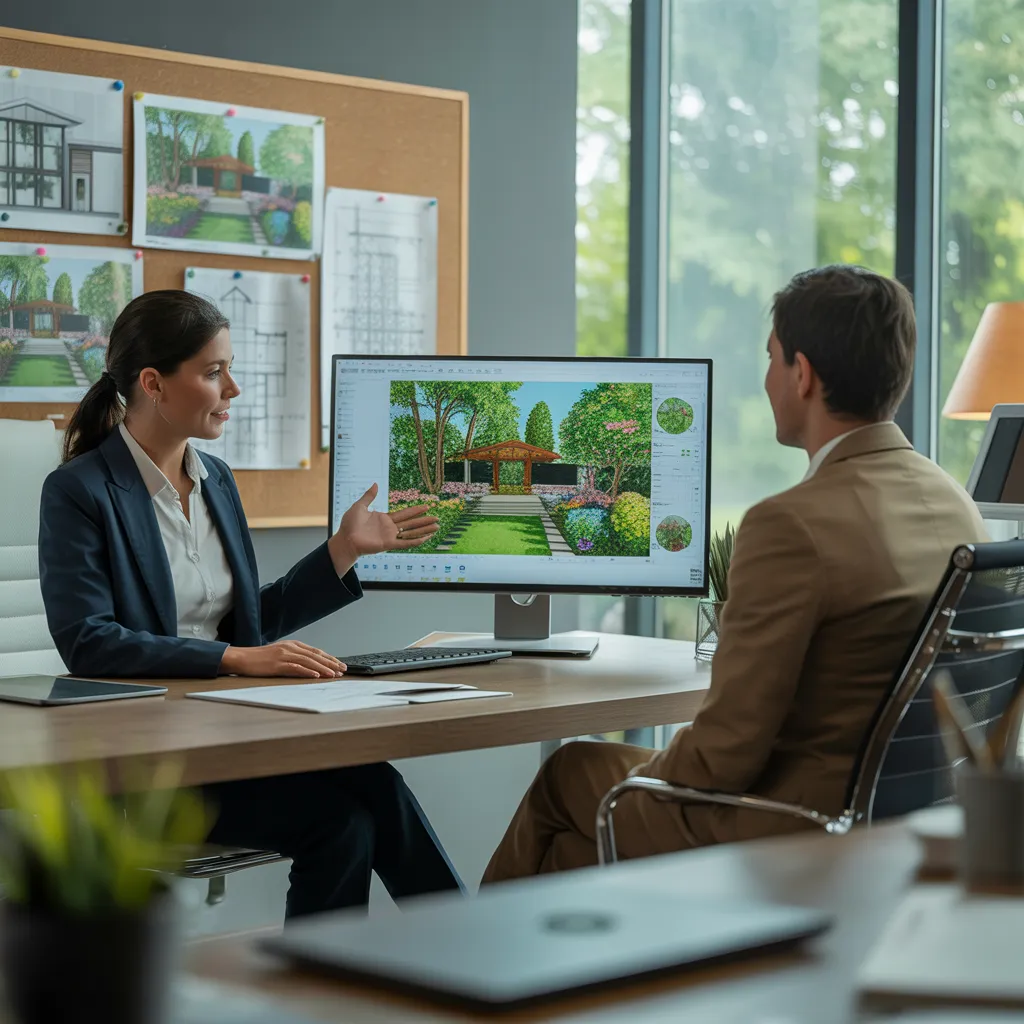
How to Establish Your Landscaping Vision
Establishing a landscaping vision is vital for designing an outdoor space that reflects personal style and meets practical needs. This approach starts with evaluating the current landscape, including ground composition, light conditions, and weather factors. Recognizing these factors helps in choosing appropriate vegetation and resources.
Next, people should reflect on their lifestyle and how they intend to use the space. Whether for socializing, gardening, or rest, these activities will determine design choices.
Creative ideas for visuals can be gathered from various outlets, including magazines, online platforms, or nature itself. A mood board can support clarifying your preferences.
Finally, creating a budget is vital, as it affects choice of plants, hardscape choices, and general design intricacy. Through combining these components, individuals can establish a clear outdoor design plan that balances aesthetic appeal with functionality, paving the way for a thriving landscape renovation.
Developing an Excellent Landscape Plan
Once a well-defined design vision has been established, the following step entails creating the perfect landscape design. This process requires a fusion of artistic vision and practical considerations. Effective landscape design starts with assessing the site's particular characteristics, such as topography, soil type, and sunlight exposure. These factors influence the layout, ensuring the design strengthens the natural beauty of the environment.
A accomplished design merges various elements, including hardscaping features like patios and pathways, alongside softscaping components such as lawns and gardens. Thoughtful placement of these components creates a serene flow, guiding visitors through the space. Additionally, attention to scale and proportion guarantees that each element complements the others, avoiding oversaturation or inequality.
In the final analysis, the design should honor the client's preferences while preserving functionality. By carefully executing every detail, a horticultural design can metamorphose the exterior zone into a remarkable and welcoming setting, positioned to be treasured year-round.
Selecting Vegetation That Flourish in Your Climate
Choosing vegetation that thrive in a specific climate requires a thorough understanding of climate zones, which indicate which species can withstand local climate conditions. Furthermore, prioritizing native plants can improve ecological balance and resilience in the garden. Seasonal planting considerations also play an essential role in ensuring sustained achievement and health of the garden.
Understanding Hardiness Zones
Grasping hardiness zones is essential for gardeners and landscapers endeavoring to grow plants that will survive in their designated climate zones. These zones, set by the USDA, segment regions according to the low winter temperature averages. By knowing the hardiness zone of a given location, gardeners can select plants that are most likely to withstand local environmental conditions. Each zone is labeled with a number, with subdivisions indicating minor temperature variations. For example, a plant meant for Zone 5 may not perform well in Zone 4, where winters are colder. Grasping these zones facilitates decisions on plant selection, ensuring healthier landscapes and decreasing the chance of plant failure. This understanding finally contributes to a more sustainable and healthy garden or landscape.
Indigenous Plant Choosing
While many gardeners may be inclined toward exotic plants for their landscapes, going with indigenous plants often gives better results. Indigenous species are fitted for local climates and soils, calling for reduced watering and upkeep relative to non-native varieties. They create crucial dwellings for native creatures, advancing species richness and natural harmony. Picking indigenous plants can also cut down disease problems, as these plants are naturally resistant to local diseases. In addition, incorporating indigenous species strengthens the visual beauty of a landscape by reflecting the region's natural beauty. Nature enthusiasts are motivated to research the specific native plants compatible with their community, making certain a prosperous landscape that aligns with ecological conservation. Finally, indigenous species adoption creates a harmonious and resilient garden space.
Consider seasonal sowing elements when choosing what to grow
When organizing a garden, it is essential for gardeners to consider the seasonal climate variations that influence plant development and wellbeing. Selecting plants suited to specific climate zones guarantees optimal performance and longevity. For instance, in warmer climates, drought-resistant plants tend to be preferred, whereas cooler areas favor hardy perennials that tolerate frost. Understanding local weather patterns such as rainfall and temperature variability enables better selection of plant species. Additionally, seasonal shifts dictate planting schedules; spring is ideal for many annuals, while fall favors certain perennials. By coordinating plant selection with local climatic factors, gardeners can develop lively, sustainable gardens that flourish throughout the year, lowering maintenance and enhancing the garden’s overall appeal.
Build Your Perfect Outdoor Living Area
Establishing a magnificent outdoor living space entails deliberate thought of personalized design strategies that embody individual preferences. Practical exterior components, such as seating areas and cooking spaces, improve usability while supporting the visual appeal. In combination, these pieces transition a yard into a distinctive haven.
Tailored Visual Resolutions
Tailored design solutions offer homeowners the chance to transform their outdoor spaces into personalized sanctuaries. By considering individual preferences, lifestyles, and environmental factors, landscaping professionals create unique designs that reflect the homeowner's vision. These solutions encompass various elements, such additional article as plant selection, hardscaping, and layout adjustments, ensuring that each outdoor space is both aesthetically pleasing and functional. Through collaboration with clients, designers can incorporate specific themes, colors, and materials, enhancing the overall appeal. The focus is on creating harmonious environments that seamlessly integrate with the home while addressing the homeowner's practical needs. Ultimately, tailored design solutions not only elevate the beauty of outdoor areas but also foster a sense of connection with nature, enriching everyday experiences.
Outdoor Features That Function Well
Valuable outdoor features maintain an essential role in enhancing the usability and enjoyment of outdoor living spaces. These constituents, such as patios, decks, and outdoor kitchens, generate inviting areas for relaxation and fraternizing. Embracing features like fire pits and water elements can present both charm and advantageous impacts, permitting homeowners to relish their yards perpetually. Concurrently, strategically placed seating and dining areas stimulate gatherings, while pathways and lighting bolster accessibility and safety. sustainable options, like rain gardens and permeable paving, promote environmental vitality. To conclude, valuable outdoor features reimagine a yard into a versatile space that fulfills heterogeneous purposes, aiding homeowners to amplify their outdoor experience while nurturing a harmonious balance between nature and design.
How Can You Improve Your Landscaping Into a More Sustainable Space?
How can property owners convert their outdoor spaces into environmentally conscious landscapes? One effective approach is to include native plants, which need less water and maintenance while supporting local wildlife. Using water-conserving species can greatly reduce water consumption, making landscapes more environmentally responsible.
Another approach involves installing rain gardens to manage stormwater drainage effectively, allowing rainwater to soak into the ground rather than contributing to pollution. Homeowners can also select organic fertilizers and pest control methods to minimize chemical consumption, promoting a healthier ecosystem.
Incorporating permeable paving materials for walkways and parking areas can enhance water infiltration, reducing soil degradation and water discharge. Additionally, installing composting containers encourages waste recycling and strengthens earth vitality.
Essential Year-Round Landscape Care
What essential tasks secure a landscape endures as vibrant and sound throughout the year? Year-round landscape maintenance encompasses a mix of important activities that promote premier increase and aesthetics. Regular grass maintenance verifies that grass proves healthy and at an ideal height, while seasonal soil enrichment provides necessary nutrients. Branch trimming shrubs and trees not only maintains their shape but also nurtures healthy surge and reduces the risk of disease.
Another important activity is weeding, as it curtails contest for elements among plants. Mulching helps keep soil moisture and reduces weed growth, enhancing the overall look of garden beds. In addition, seasonal assessments of irrigation systems guarantee efficient water use, stopping waste and fostering sustainability.
Redesigning Your Space: Remarkable Before and After
A well-maintained landscape sets the stage for significant changes that can improve any outdoor space. Landscaping services specialize in revitalizing settings, presenting remarkable before-and-after makeovers that inspire awe. These projects often begin with a comprehensive assessment of the existing landscape, highlighting spots needing work, such as unruly foliage, worn pathways, or insufficient lighting.
After the design is finalized, skilled professionals execute enhancements that may include new plantings, decorative features, and working installations like patios or outdoor kitchens. The results can be stunning: lifeless yards can turn into vibrant gardens, while dull pathways can be transformed into welcoming walkways.
Photographs documenting these changes showcase the effectiveness of professional landscaping. The stark contrast between the starting condition and the completed work emphasizes not only visual beauty but also the enhanced worth of the residence. Ultimately, a gorgeously renovated landscape can establish a inviting environment, enhancing the overall experience of exterior spaces.

Popular Inquiries Raised
What Is the Typical Cost of Landscaping Solutions?
regional labor rates and local labor rates.
What Length of Time Do Landscaping Projects Generally Take?
A landscaping endeavor typically takes between one to four weeks, contingent upon elements like project size, complexity, weather conditions, and the specific services required. Adequate planning can help optimize the timeline efficiently.
Do You Provide Seasonal Lawn Care Services?
Certainly, seasonal landscape solutions are made available, such as spring clean-ups, summer maintenance, autumn leaf removal, and winter preparations. These services assure landscapes stay well-maintained and visually appealing throughout the changing seasons, addressing specific seasonal needs effectively.
Should I Maintain My Outdoor space Myself Following Installation?
Yes, maintaining a landscape independently after installation is feasible. However, it necessitates understanding proper techniques, tools, and seasonal maintenance to ensure the landscape continues to be vigorous and visually attractive over time.
What Equipment Do You Using for Landscaping Projects?
Landscaping initiatives typically need apparatus such as lawnmowers, trimmers, blowers, shovels, rakes, and various power tools. Larger projects may also involve excavators and trucks for shifting materials, improving efficiency and precision in the work.